
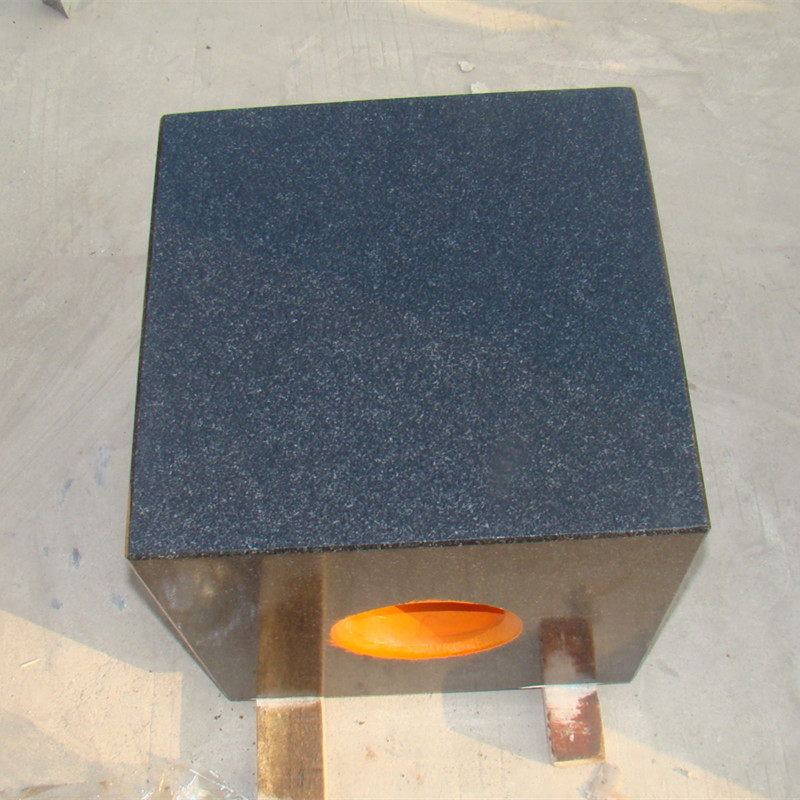
infrared reflecting glass
Understanding Level Supplier Relationships in Supply Chain Management In today's complex global marketplace, businesses rely heavily on their supply chains to deliver products and services efficiently. One crucial aspect of supply chain management is the concept of level suppliers. Level suppliers are categorized based on their ability to meet specific criteria that ensure quality, reliability, and efficiency. This article explores the significance of level suppliers, their classification, and their impact on supply chain performance. Definition and Classification of Level Suppliers Level suppliers can be classified into several tiers based on their strategic importance and the role they play in the supply chain. The most common classifications include 1. Tier 1 Suppliers These suppliers have a direct relationship with the company, providing essential components or services. They are typically key partners and are involved in the design and development of products. 2. Tier 2 Suppliers These suppliers provide materials or components that are used by Tier 1 suppliers. Although they may not interact directly with the primary enterprise, their reliability is critical for the uninterrupted flow of production. 3. Tier 3 Suppliers Often considered indirect suppliers, Tier 3 suppliers provide raw materials or sub-components needed by Tier 2 suppliers. While they might not be directly engaged with the primary business, their performance can significantly influence the supply chain's overall efficiency. The classification of suppliers into these tiers helps organizations prioritize their relationships and manage risk effectively. Understanding the supplier levels aids businesses in developing appropriate strategies for supplier management, risk mitigation, and quality assurance. Importance of Level Suppliers Having a robust base of level suppliers is vital for any organization . Here are a few reasons why they are essential for supply chain success 1. Quality Assurance Level suppliers play a pivotal role in maintaining product quality. By working closely with Tier 1 suppliers, organizations can ensure that the materials sourced from Tier 2 and Tier 3 suppliers meet the necessary standards. This collaboration leads to higher product quality and minimizes defects. level supplier 2. Risk Management Diversifying supplier relationships across different levels helps mitigate risks associated with supply chain disruptions. If a Tier 1 supplier encounters problems, organizations can quickly turn to Tier 2 or Tier 3 suppliers to maintain production continuity, ensuring that operations are not adversely affected. 3. Cost Efficiency By establishing relationships with multiple levels of suppliers, companies can leverage competitive pricing. Tier 2 and Tier 3 suppliers may offer more cost-effective solutions, allowing organizations to optimize their cost structures without compromising on quality. 4. Innovation and Collaboration Level suppliers often contribute to innovative processes and products. Collaborating with suppliers at various levels fosters an environment where new ideas can flourish, driving technological advancements and improving overall business performance. Managing Level Supplier Relationships To maximize the benefits of level supplier relationships, organizations should adopt strategic approaches, including - Supplier Assessment Regularly assessing suppliers based on performance metrics, quality standards, and delivery timelines ensures that businesses partner with capable organizations. This includes conducting audits and monitoring KPIs to maintain high operational standards. - Open Communication Maintaining transparent and open lines of communication with suppliers at all levels fosters collaboration. Companies can share forecasts, production plans, and challenges, creating a more responsive and agile supply chain. - Supplier Development Programs Investing in supplier development initiatives can enhance supplier capabilities. Providing training, resources, and support encourages suppliers to improve their processes, leading to better overall supply chain performance. - Long-term Partnerships Developing long-term relationships with suppliers promotes loyalty and commitment. By establishing strategic alliances, companies can work collaboratively on new projects, improve efficiency, and innovate together. Conclusion In conclusion, level suppliers are integral to effective supply chain management. By understanding supplier classifications and managing relationships strategically, businesses can enhance quality, reduce risks, and drive innovation. As the global supply chain landscape evolves, organizations that prioritize their level suppliers will be better positioned to adapt and thrive in an increasingly competitive environment.
about
infrared reflecting glass
Understanding the 3-Inch Globe Valve A Comprehensive Guide In the realm of fluid control systems, valves play a crucial role in regulating the flow of liquids and gases. Among the various types of valves, the globe valve stands out for its efficiency and functionality, particularly in applications requiring precise flow control. This article explores the 3-inch globe valve, examining its design, applications, advantages, and maintenance. What is a Globe Valve? A globe valve is a type of valve used to regulate flow in a pipeline. Its spherical body, which features an internal baffle, is designed to provide a smooth, effective pathway for the flow of fluids. The unique design allows for efficient throttling and flow regulation, making it suitable for various applications where precision is paramount. A 3-inch globe valve indicates the size of the valve's inlet and outlet diameter, which is 3 inches in this case, making it appropriate for medium to large-scale operations. Design and Structure The 3-inch globe valve consists of several key components, including the body, bonnet, disc, and seat. The body, typically made of durable materials such as brass, stainless steel, or cast iron, gives the valve its structural integrity. The bonnet houses the actuator mechanism, responsible for opening and closing the valve. The disc, which moves vertically, presses against the seat to create a seal and stop the flow of fluid. The flow path within a globe valve is not straight; it features a series of changes in direction. This design allows for better control over fluid flow, but it can also result in higher pressure drops compared to other valve types, such as gate valves. However, the pressure drop is often an acceptable trade-off for the enhanced flow control provided by the globe valve. Applications 3-inch globe valves are widely used in various industries, including 1. Water Treatment These valves help regulate the flow of treated water in distribution systems and ensure the proper operation of filtration and chlorination systems. 2. Oil and Gas Globe valves are pivotal in controlling the flow of oil and gas during extraction and transportation processes, providing safety and efficiency to the operations. 3. Chemical Processing In chemical plants, globe valves help manage the flow of reactants and products, maintaining precise control of chemical reactions . globe valve 3 inch 4. Power Generation In power plants, these valves regulate steam and water flow within turbines and cooling systems, ensuring optimal performance and safety. 5. HVAC Systems Globe valves are used in heating, ventilation, and air conditioning systems to control flow within piping networks and maintain the desired temperature. Advantages of 3-Inch Globe Valves 1. Precise Flow Control This is the primary advantage of globe valves. They provide excellent throttling capabilities, making them suitable for applications that require careful adjustment of fluid flow. 2. Reliable Sealing The design allows for tight sealing, minimizing leakage and ensuring that systems operate efficiently and safely. 3. Durability Constructed from robust materials, 3-inch globe valves can withstand high temperatures and pressures, making them suitable for demanding environments. 4. Versatility These valves can be used in various applications across different industries, from water supply to chemical processing and beyond. 5. Ease of Maintenance Although they may require periodic maintenance, globe valves are relatively easy to service, allowing replacement of the disc or seat without removing the entire valve from the pipeline. Maintenance Considerations To ensure longevity and optimal performance of a 3-inch globe valve, regular maintenance is essential. Operators should routinely inspect the valve for signs of wear or damage, check for leaks, and ensure that the actuator operates smoothly. Lubricating the moving parts and cleaning the valve body helps prevent buildup that can hinder performance. In conclusion, the 3-inch globe valve is an essential component in various fluid control applications, offering precise flow regulation, reliability, and durability. Understanding its design, applications, and maintenance requirements can help operators maximize its efficiency and extend its lifespan in their systems. Whether in water treatment facilities, oil and gas operations, or HVAC systems, these valves play a vital role in ensuring smooth and safe operations across multiple industries.
-

High quality industrial productsagement

High quality industrial products
View Details -

Meet the diverse needs of customers

Meet the diverse needs of customers
View Details -

Strict quality control

Strict quality control
View Details -

Top raw materials

Top raw materials
View Details -

Trusted supplier

Trusted supplier
View Details
Our application
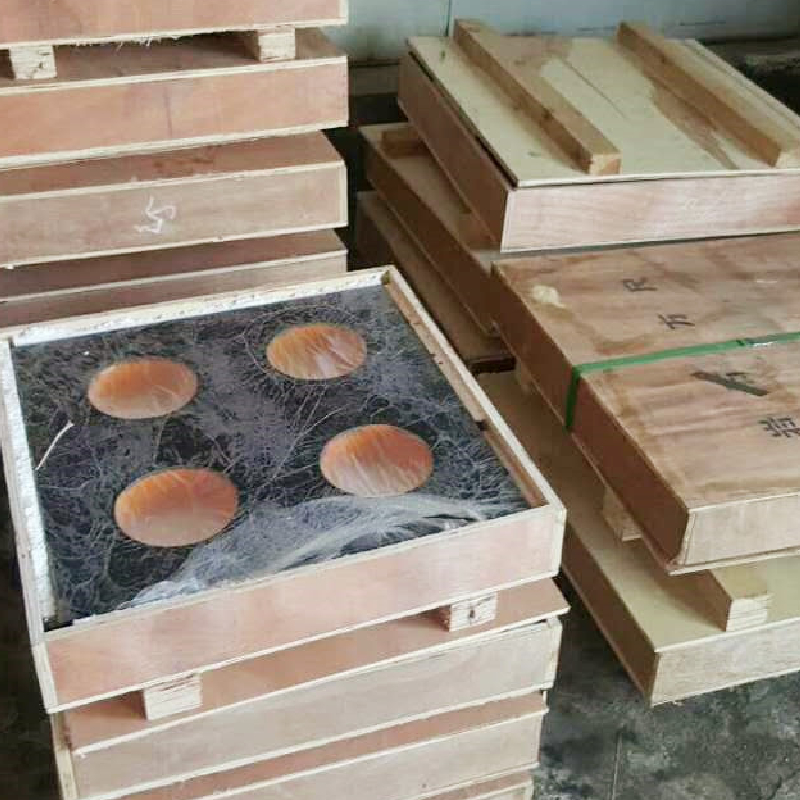
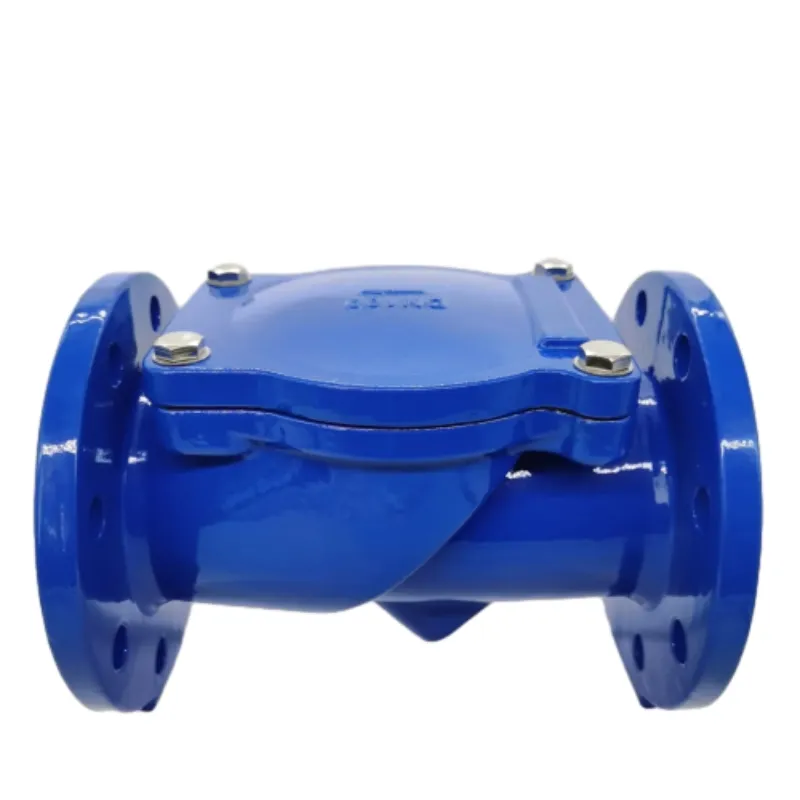

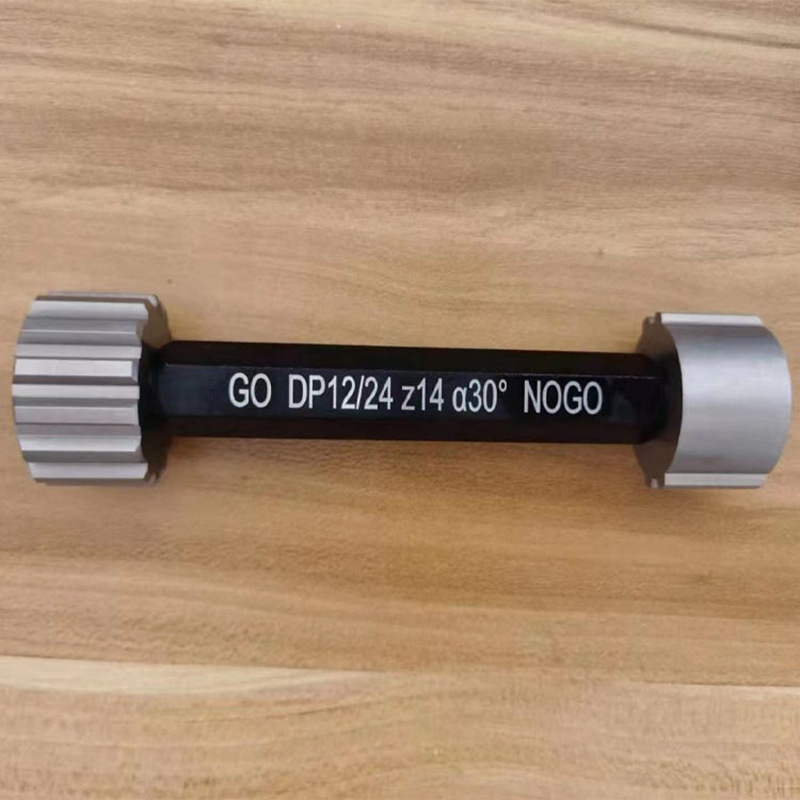
news and information
Y Type Strainer Future Innovations
The industrial landscape is continuously evolving, driven by technological advancements and the need
valve gate valve
Understanding Valve Gate Valves An Essential Component in Modern Industry In various industrial appl
Y Type Strainer Maintains System Efficiency Long Term
In the realm of industrial fluid management, the y type strainer stands as an unsung hero, silently
 English